Key Points
- The Long March 8A Yao-8 rocket was successfully transferred to Launch Pad No. 1 at the Hainan Commercial Aerospace Launch Site on March 7, 2026, signaling China’s aggressive push into satellite internet dominance.
- The Long March 8A is the workhorse for China’s satellite internet constellation deployment, boasting a payload capacity of 7 metric tons to a 700km Sun-Synchronous Orbit (SSO) and a track record of 7 successful missions.
- China plans a highly aggressive launch schedule with approximately 15 missions for the Long March 8 series (including both standard and A variants) planned for 2026, underlining its strategic importance.
- The Long March 8 series is chosen for its modular design, cost-effectiveness, rapid response capabilities, and proven reliability, making it ideal for high-frequency, multi-satellite launches essential for constellation buildout.
- China’s commercial launch services aim for competitive pricing of ¥35,000-¥70,000 RMB ($4,870-$9,740 USD) per kilogram to LEO, focusing on operational efficiency and high launch cadence to build satellite internet constellations.

The Long March 8A Yao-8 (Changzheng Ba Hao Jia Yao Ba 长征八号甲遥八) carrier rocket, developed by the China Academy of Launch Vehicle Technology (Zhongguo Yunzai Huojian Jishu Yanjiuyuan 中国运载 Huojian Jishu Yanjiuyuan), was successfully transferred to Launch Pad No. 1 at the Hainan Commercial Aerospace Launch Site (Hainan Shangye Hangtian Fashechang 海南商业航天发射场).
This isn’t just another rocket move.
It signals China’s accelerating push into satellite internet dominance and demonstrates why the Long March 8 series has become the workhorse of China’s medium-lift launch strategy.

Find Top Talent on China's Leading Networks
- Post Across China's Job Sites from $299 / role
- Qualified Applicant Bundles
- One Central Candidate Hub
Your First Job Post Use Checkout Code 'Fresh20'
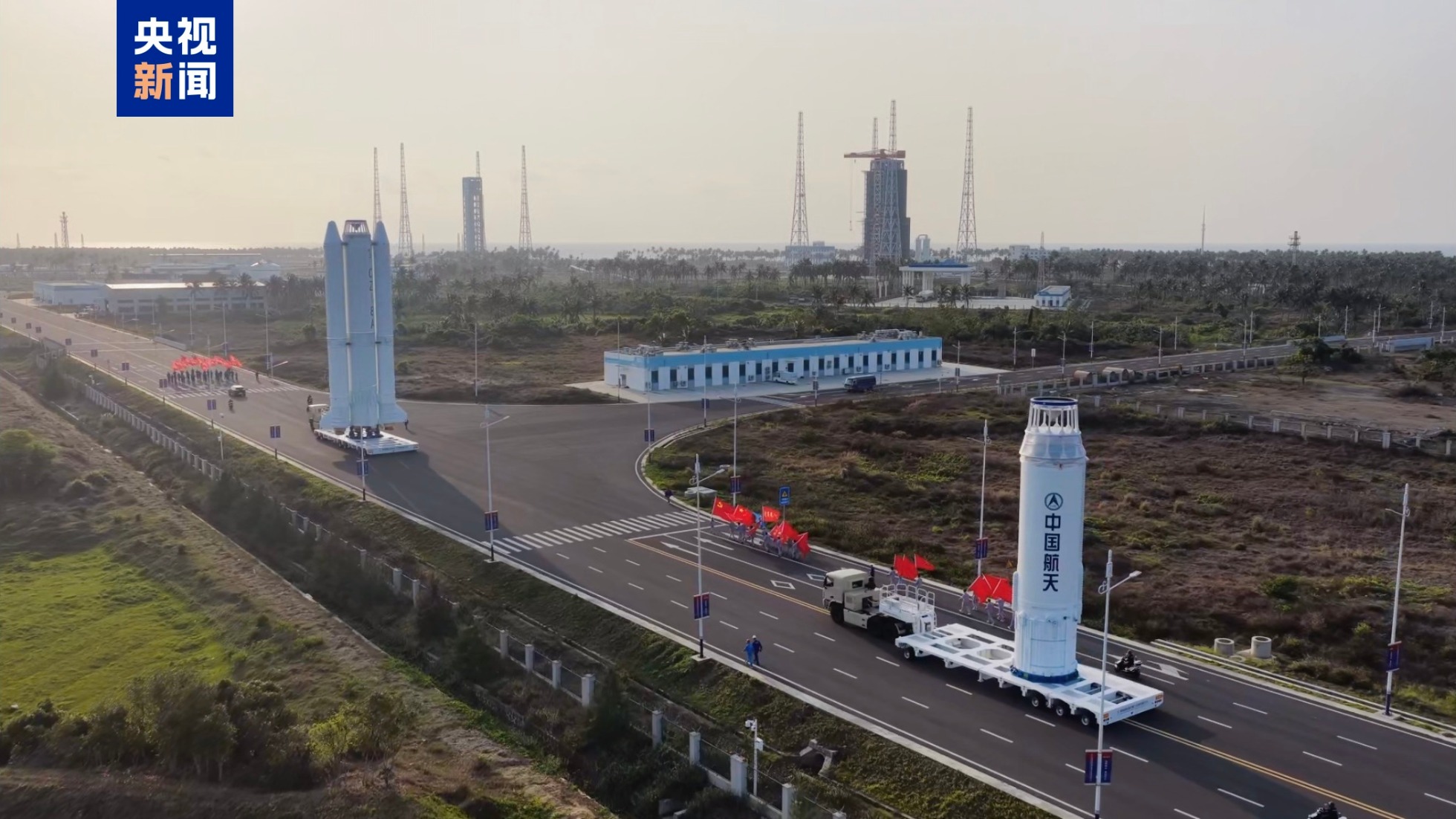
Long March 8A rocket during successful transfer to launch pad at Hainan facility
—
The Long March 8A: A Beast Built for Rapid Deployment
- Payload Capacity: 7 Metric Tons to 700km SSO
- Mission Success Count: 7 Successful Launches
- Mission Profile: Optimized for high-frequency deployment
The Long March 8A (Changzheng Ba Hao Jia 长征八号甲) is no ordinary rocket.
It’s the enhanced secondary model of the Long March 8 series, specifically engineered for one critical mission: launching China’s satellite internet constellation.
Raw Performance Numbers That Matter
Here’s what makes this rocket special:
- Payload capacity: Up to 7 metric tons to a 700-kilometer Sun-Synchronous Orbit (SSO)
- Launch frequency: Entered high-frequency launch rhythm in its first year of service
- Current track record: 7 successful missions completed to date
- Primary use case: Core delivery vehicle for satellite internet constellation deployment
To put this in perspective: 7 metric tons of payload capacity is serious business for a medium-lift rocket.
That’s enough to launch multiple satellites in a single mission, which directly translates to faster constellation buildout and lower per-unit costs.

ExpatInvest China
Grow Your RMB in China:
- Invest Your RMB Locally
- Buy & Sell Online in CN¥
- No Lock-In Periods
- English Service & Data
- Start with Only ¥1,000
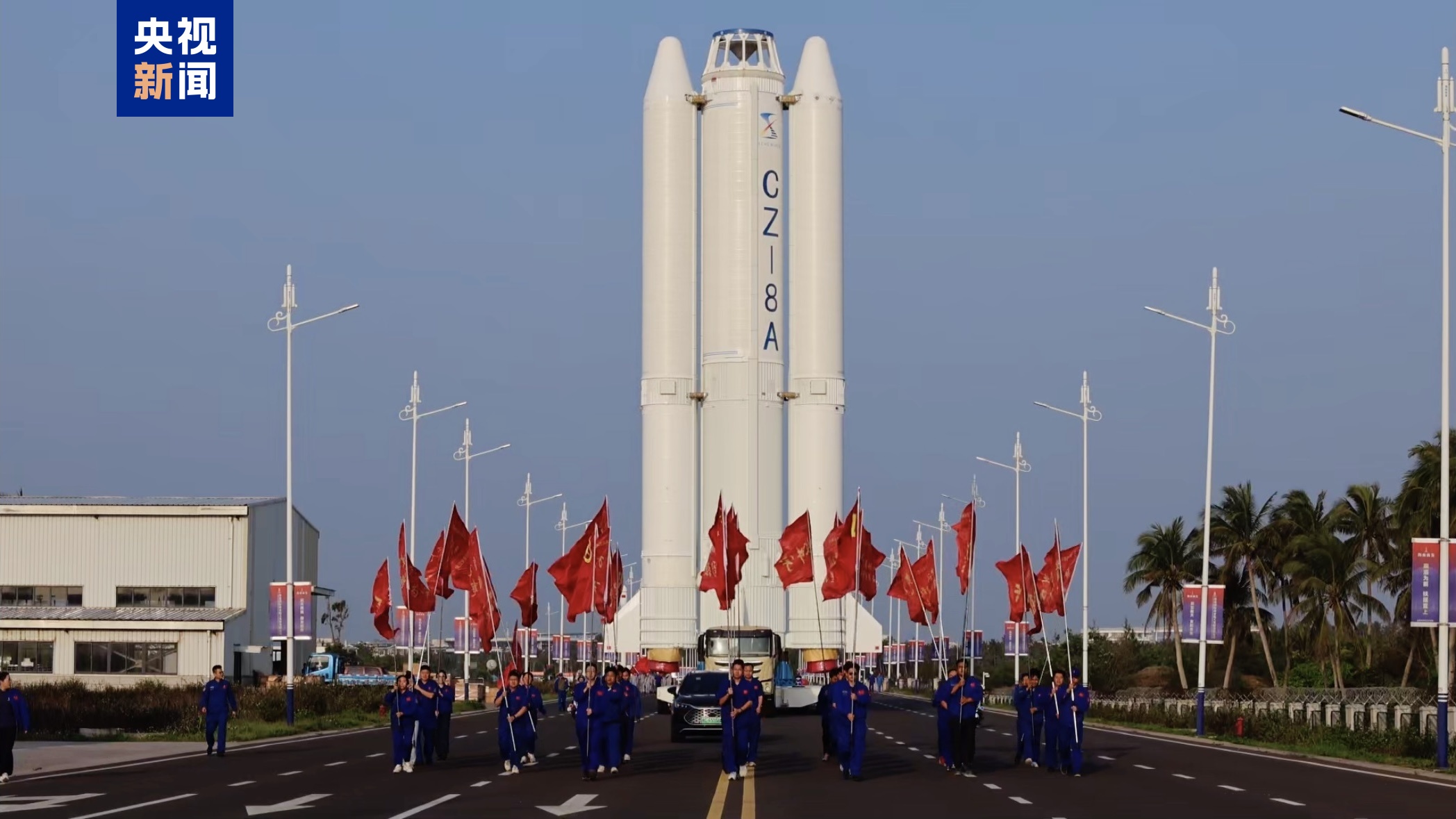
Long March 8A positioned at Hainan Commercial Aerospace Launch Site
—

Resume Captain
Your AI Career Toolkit:
- AI Resume Optimization
- Custom Cover Letters
- LinkedIn Profile Boost
- Interview Question Prep
- Salary Negotiation Agent

Why This Matters: China’s Satellite Internet Push
China isn’t just launching rockets for fun.
These launches directly serve the construction of China’s satellite internet (Weixing Hulianwang 卫星互联网) constellations.
Think of it as China’s answer to SpaceX’s Starlink program.
The Long March 8A has become the primary workhorse for this mission because it’s designed specifically for high-density, rapid network deployment.
Fast deployment = faster time to market = competitive advantage in the global satellite internet race.
The Constellation Strategy
Here’s why the Long March 8A’s 7-metric-ton capacity is a game-changer:
- Multi-satellite launches: Deploy multiple satellites per mission instead of one-off launches
- Cost efficiency: Amortize launch costs across multiple payloads
- Speed to deployment: Accelerate constellation buildout timeline
- Market competitiveness: Launch more satellites faster than competitors
For investors watching the satellite internet space, this is the kind of infrastructure that matters.
—
What’s Planned for 2026: A Busy Launch Schedule Ahead
This single rocket transfer is just the beginning.
According to official reports, approximately 15 launch missions are planned for the Long March 8 series in 2026.
That includes both:
- Standard Long March 8 (Changzheng Ba Hao 长征八号) variants
- Long March 8A (Changzheng Ba Hao Jia 长征八号甲) variants
15 missions per year from a single rocket family is an aggressive cadence.
For context, this underscores just how critical the Long March 8 series has become to China’s space strategy.
Why the Long March 8 Became the Preferred Choice
The Long March 8 series has emerged as the primary model for China’s medium and low-orbit satellite launches for good reasons:
- Modular design: Easy to adapt and customize for different missions
- Cost-effectiveness: Significantly cheaper to produce and launch than heavier alternatives
- Rapid response: Quick turnaround between missions
- Proven reliability: Track record of successful deployments
From a business standpoint, this is the kind of infrastructure China has invested in to compete in the global space economy.
—
Launch Economics: What These Missions Actually Cost
Now, let’s talk money—because launch costs directly impact the economics of satellite internet constellations.
While specific commercial pricing varies by mission parameters, recent industry estimates suggest that China’s commercial launch services are targeting significantly reduced costs.
Current Market Pricing for Chinese Launch Services
China’s commercial launch providers typically aim for price points around:
- Low Earth Orbit (LEO): ¥35,000 RMB ($4,870 USD) to ¥70,000 RMB ($9,740 USD) per kilogram
These figures depend on the specific vehicle and mission configuration.
For comparison: SpaceX’s Falcon 9 currently prices around $1,500-$2,700 per kilogram to LEO, though industry observers note pricing varies significantly based on whether launches are rideshare or dedicated missions.
China’s strategy appears focused on volume and efficiency rather than undercutting on price alone.
The Math for Satellite Constellations
Here’s why these costs matter:
- If a typical satellite weighs 300-500 kg, launch costs alone run ¥10.5M-¥35M RMB ($1.46M-$4.87M USD) per satellite at the higher end
- A constellation might require 100+ satellites, making launch efficiency absolutely critical
- Multi-satellite missions on the Long March 8A spread these costs across multiple payloads
This is how China plans to compete: through operational efficiency and high launch cadence rather than individual cost per launch.
—
What This Means for the Broader Picture
The Long March 8A transfer on March 7 represents more than a single rocket launch.
It’s evidence of China’s systematic approach to space infrastructure development.
Key takeaways for investors and tech observers:
- Execution capability: China is demonstrating consistent, high-frequency launch operations
- Strategic focus: Satellite internet constellations are a national priority with dedicated hardware and launch schedules
- Commercial viability: Long March 8A economics are designed to be commercially sustainable
- Competitive intensity: 15 planned missions in 2026 alone shows serious acceleration
The Long March 8A rocket moving to the launch pad today signals that China’s satellite internet ambitions aren’t just talk—they’re backed by hardware, funding, and a clear operational roadmap.
Whether you’re tracking Chinese space capabilities, satellite internet investments, or understanding China’s long-term technological strategy, the Long March 8A launch cadence is absolutely worth watching.
—