Key Points
- On March 13, 2026, China carried out two satellite launches: deploying 20 LEO Internet satellites from Hainan and the Shiyan-30 03/04 experimental satellites from Xichang.
- The Shiyan-30 mission marked the 632nd flight of the Long March (Changzheng 长征) rocket series, showcasing operational reliability and production scale.
- These deployments are crucial to China’s satellite internet constellation buildout, an aggressive strategy to achieve global broadband coverage and low-latency connectivity.
- China’s commercial space sector is projected to reach ¥200 billion RMB ($27.8 billion USD) by the end of 2026, driven by investments in infrastructure like the Hainan Commercial Aerospace Launch Site to reduce launch costs and gain market share.
- The concurrent launches demonstrate China’s accelerating launch cadence, strategic focus on commercial space infrastructure, and continued investment in R&D and technology validation.
On March 13, 2026, China executed back-to-back satellite launches that underscore its growing dominance in the commercial space sector.
Between 3:48 AM and 6:33 AM Beijing Time, the country successfully deployed 20 Low-Earth Orbit (LEO) satellite internet satellites plus two additional experimental satellites—a demonstration of both technical capability and strategic ambition in the global space race.
Here’s what happened, why it matters, and what it signals about China’s space economy.
The Main Event: 20 LEO Satellites Launch from Hainan
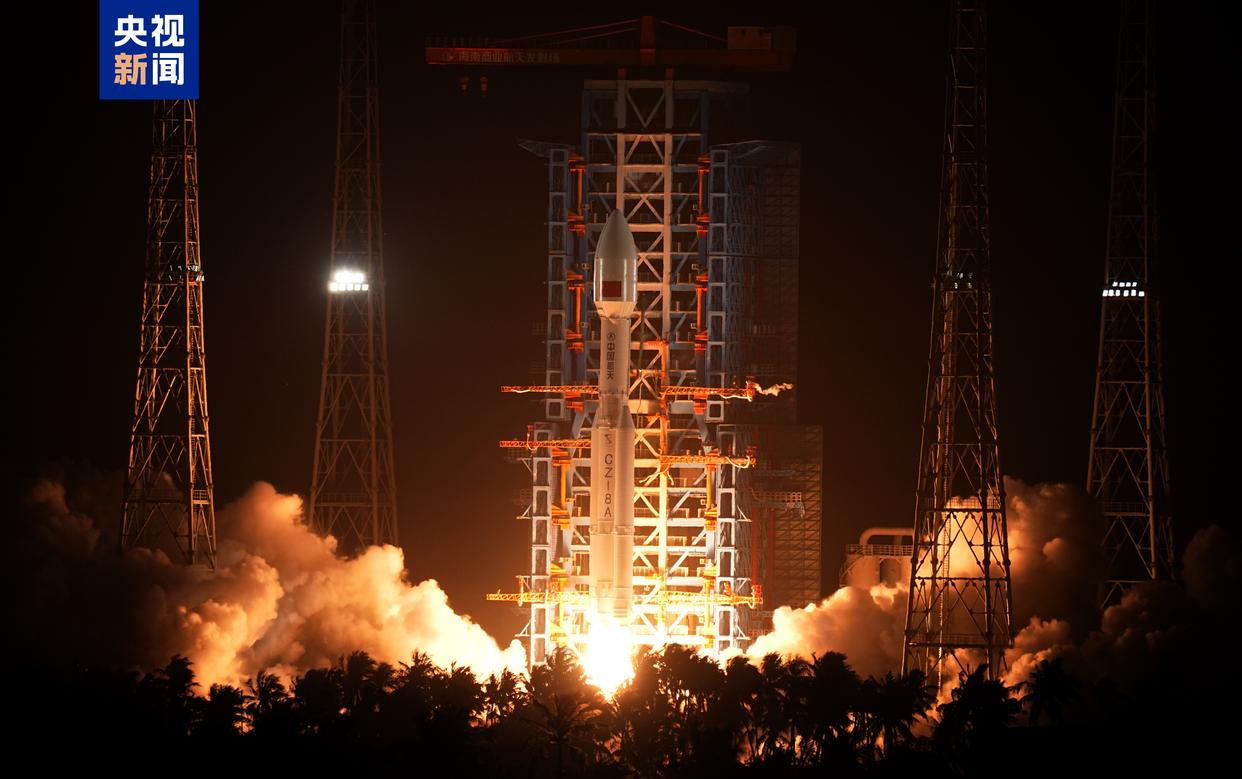
At 3:48 AM on March 13, 2026, a Long March 8A (Changzheng 8A 长征八号甲) rocket lifted off from the Hainan Commercial Aerospace Launch Site (Hainan Shangye Hangtian 海南商业航天).
The mission carried 20 LEO Satellite Internet (Weixing Hulianwang 卫星互联网) satellites to their designated orbits.
This represents the 20th group deployment in China’s ongoing satellite internet constellation buildout.

Find Top Talent on China's Leading Networks
- Post Across China's Job Sites from $299 / role
- Qualified Applicant Bundles
- One Central Candidate Hub
Your First Job Post Use Checkout Code 'Fresh20'
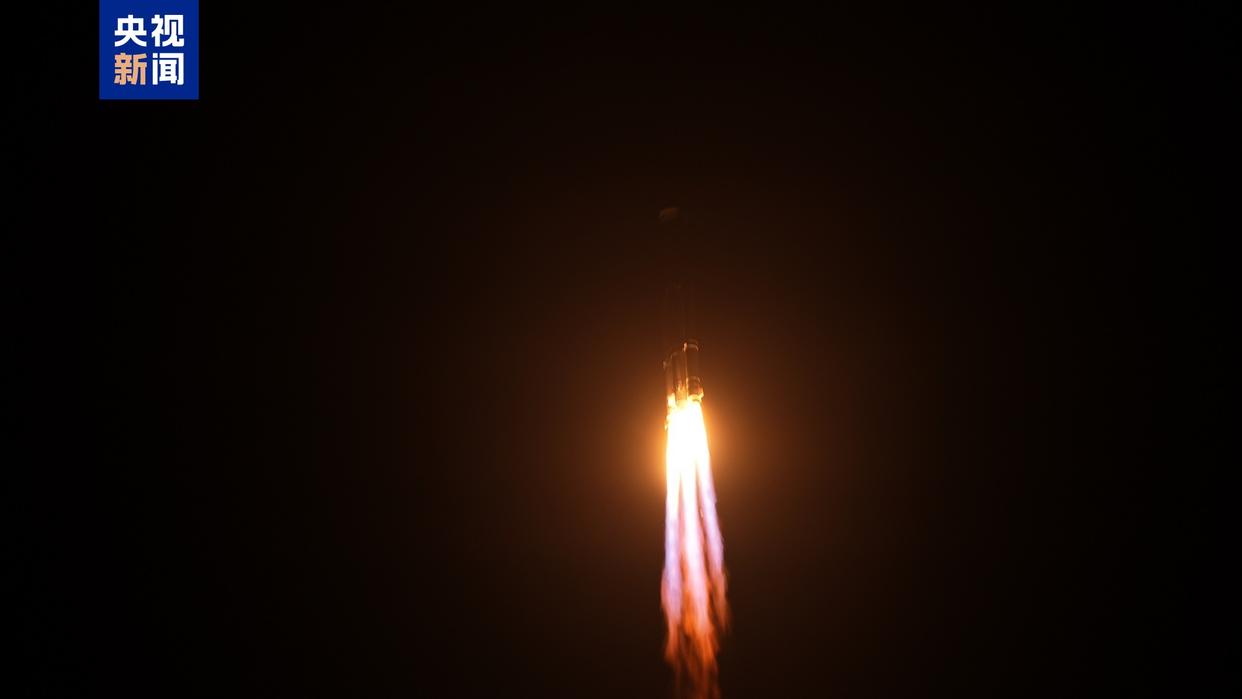
All satellites entered their predetermined orbits smoothly, making this a complete mission success.

ExpatInvest China
Grow Your RMB in China:
- Invest Your RMB Locally
- Buy & Sell Online in CN¥
- No Lock-In Periods
- English Service & Data
- Start with Only ¥1,000

The Secondary Launch: Shiyan-30 03/04 Experimental Satellites
Just hours later, at 6:33 AM Beijing Time, another rocket lifted off from the Xichang Satellite Launch Center (Xichang Weixing Fashe Zhongxin 西昌卫星发射中心).
This mission deployed the Shiyan-30 (Shiyan Sanshi Hao 试验三十号) 03 and 04 satellites via a Long March 2D (Changzheng 2D 长征二号丁) rocket.
These satellites are primarily designed for:
- Technological experimentation and verification
- Earth observation technology testing
- Validation of new sensing capabilities

Resume Captain
Your AI Career Toolkit:
- AI Resume Optimization
- Custom Cover Letters
- LinkedIn Profile Boost
- Interview Question Prep
- Salary Negotiation Agent
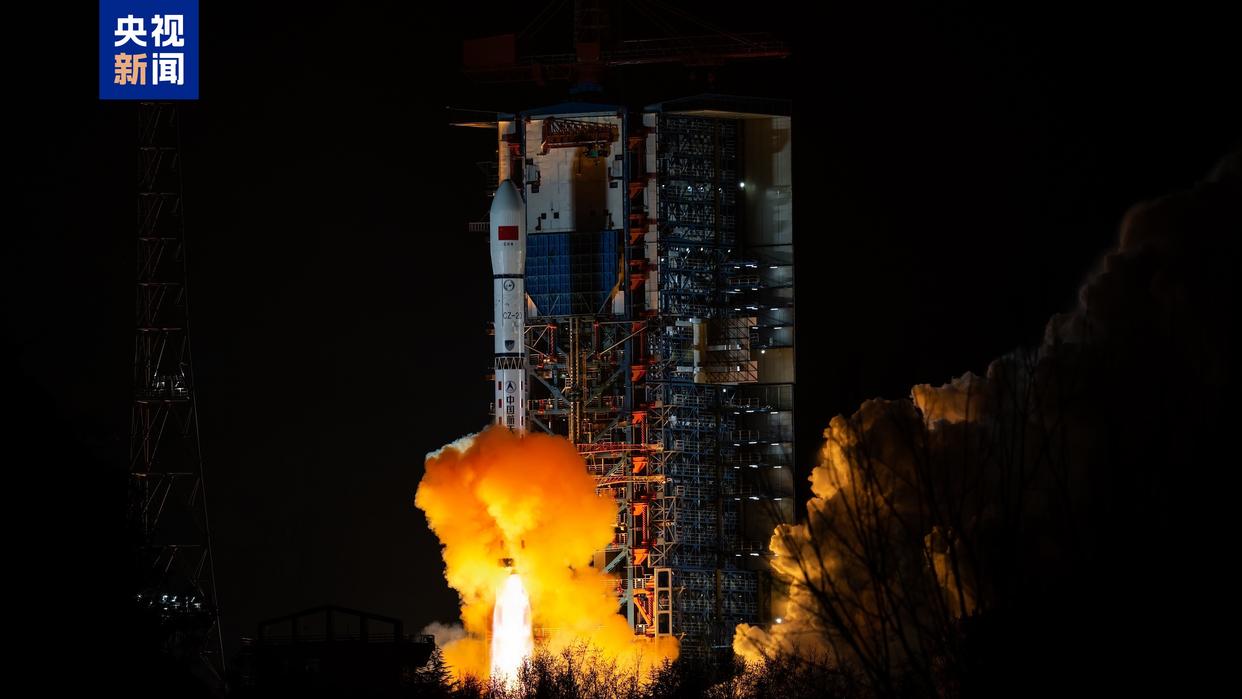
Both satellites successfully reached their target orbits.
A Historic Achievement in the Long March Program
The Shiyan-30 mission represents a significant milestone: it was the 632nd flight of the Long March (Changzheng 长征) series of carrier rockets managed by the China Aerospace Science and Technology Corporation (Zhongguo Hangtian Keji Jituan 中国航天科技集团).
That’s a staggering number of successful launches, reflecting decades of operational experience and technical refinement.
For context, this volume of flights demonstrates:
- Operational reliability: Long March rockets have become one of the world’s workhorse launch vehicles
- Production scale: China has the manufacturing capacity to sustain frequent launch cadences
- Mission diversity: These rockets handle everything from commercial satellite internet to Earth observation to experimental payloads
Why This Matters: China’s Satellite Internet Strategy
The 20 LEO satellites represent more than just another launch—they’re a building block in China’s satellite internet constellation, a strategic initiative competing with similar projects globally.
- Global high-speed broadband coverage
- Extremely low latency for financial and real-time apps
- Reliable communication for disaster recovery
- Digital inclusion for rural and isolated populations
LEO satellite internet constellations (like those being developed by China, SpaceX’s Starlink, and others) aim to provide:
- Global broadband coverage
- Low-latency connectivity
- Backup communication infrastructure
- Rural and remote area coverage
By deploying 20 satellites at a time, China is accelerating the timeline to operational constellation capacity.
This is not a leisurely approach—it’s aggressive market positioning.
The Money Behind the Mission: China’s Commercial Space Market
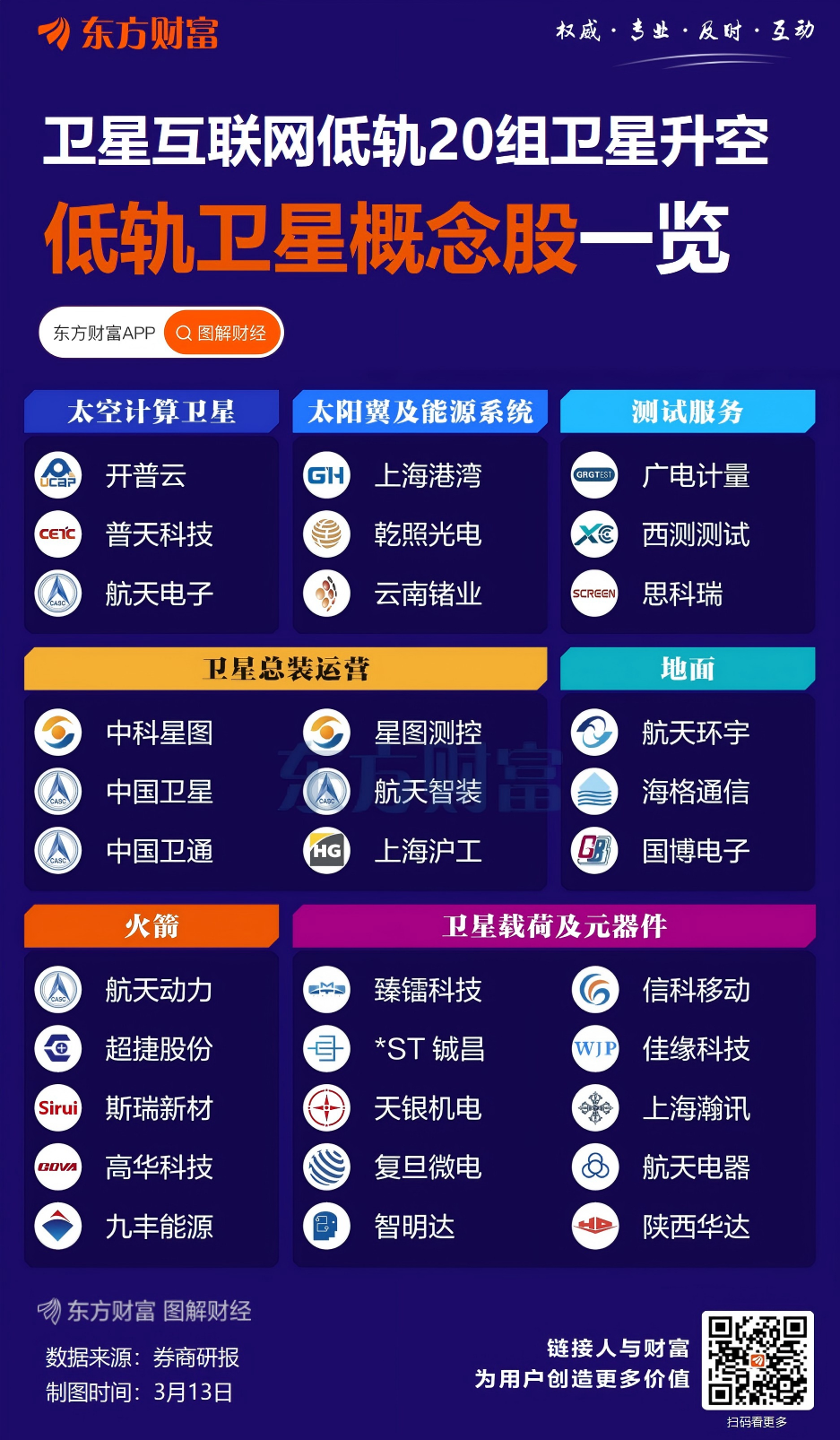
While individual mission contract values for these launches remain classified or undisclosed, industry analysts provide useful context on China’s broader commercial space spending.
Market projections for China’s domestic commercial space sector:
- Expected market size by end of 2026: ¥200,000,000,000 RMB ($27,800,000,000 USD)
- This figure includes satellite manufacturing, launch services, ground infrastructure, and downstream applications
- The Hainan Commercial Aerospace Launch Site alone represents a multi-billion ¥ RMB investment
What’s the strategic goal?
Cost reduction per kilogram.
The Hainan facility and similar infrastructure investments are specifically designed to reduce launch costs and compete with international providers on price and availability.
This is how you win market share—not just by building rockets, but by making them cheaper to operate than competitors.
The Bigger Picture: What These Launches Signal
Taken together, these two launches on the same day signal several important trends:
1. Launch cadence is accelerating
China is comfortable executing multiple major launches within hours of each other, suggesting robust logistics, mission planning, and quality control.
2. Satellite internet is a national priority
The LEO constellation deployment aligns with strategic infrastructure goals around connectivity and communication resilience.
3. Experimental satellites remain part of the mix
The Shiyan-30 missions show that alongside commercial deployments, China continues investing in R&D and technology validation.
This isn’t either-or—it’s a portfolio approach.
4. Long March dominance continues
At 632 flights, the Long March family has become the backbone of China’s space operations, from national security payloads to commercial missions.
What This Means for the Global Space Economy
These launches are part of a larger pattern: China is systematically building out its commercial space capabilities across manufacturing, launch services, ground infrastructure, and downstream applications.
For investors and entrepreneurs tracking the space sector:
-
Competition is intensifying.
Launch costs matter, and China is making deliberate investments to compete on price. -
Satellite internet is becoming a crowded field.
Multiple national and commercial constellations will eventually create redundancy and potentially drive down service costs for end users. -
Infrastructure investment is how you win.
The billions spent on Hainan and other launch facilities aren’t glamorous, but they’re the foundation of operational advantage. -
Cadence matters.
The ability to launch frequently and reliably is a competitive advantage in its own right.
Key Takeaways
On March 13, 2026, China executed:
- A successful deployment of 20 LEO satellite internet satellites from Hainan
- A follow-up launch of Shiyan-30 experimental satellites from Xichang
- The 632nd flight of the Long March rocket series
- A demonstration of launch cadence, technical capability, and strategic focus on commercial space infrastructure
The broader signal?
China is not just participating in the global space economy—it’s building infrastructure to dominate it.
For anyone tracking tech trends, geopolitics, or investment opportunities, satellite internet and launch services in China deserve close attention.

References
- China Successfully Launches New Satellite Groups – Xinhua News Agency (Xinhua She 新华社)
- Long March Series Flight Records – China Aerospace Science and Technology Corporation (Zhongguo Hangtian Keji Jituan 中国航天科技集团)
- Updates on China’s Commercial Aerospace Infrastructure – State-owned Assets Supervision and Administration Commission (SASAC)