Key Points
- China’s Sixth-Generation Fighters: The People’s Liberation Army (Renmin Jiefangjun 人民解放军) is projected to deploy sixth-generation fighter jets by 2030, a full decade ahead of the U.S.
- Advanced Capabilities: China’s new fighters will feature super stealth, advanced aerodynamics, networked combat systems, and seamless UAV integration.
- Multiple Models: China is reportedly testing more than one model, diversifying its sixth-generation portfolio for rapid deployment and operational flexibility.
- U.S. Progress Lags: The U.S. F-47 project, led by Boeing (Bo-yin 波音), aims for first flight in 2028 and operational deployment around 2040, and its promotional video faced public criticism for lacking concrete development proof.
- Strategic Implications: This 10-year operational advantage for China could provide significant strategic and technological dominance in future aerial warfare.
- China’s Goal: Full operational deployment of multiple 6th-gen models by 2030.
- U.S. Goal: First flight of F-47 in 2028, with deployment around 2040.
- Primary Advantage: China’s potential 10-year lead in high-tech aerial warfare.
- Core Tech: Super stealth, UAV swarming, and AI-integrated combat networks.

The race for sixth-generation fighter jet supremacy is heating up, and according to military analysts, China is winning.
Here’s what’s happening in the next-gen fighter arms race and why it matters for geopolitical power dynamics.
China’s Sixth-Generation Fighter Timeline: 2030 Deployment Expected
According to analysis from Military Watch Magazine and reporting from CCTV (Yangshiwang 央视网), the People’s Liberation Army (Renmin Jiefangjun 人民解放军) is expected to become the first military in the world to operationally deploy sixth-generation fighter jets by 2030.
That’s a full decade ahead of the United States.
The U.S. military isn’t expected to deploy equivalent sixth-generation capabilities until 2040.
What Makes These Aircraft Different?
Military commentator Wei Dongxu (Wei Dongxu 魏东旭) provided insight into what makes China’s sixth-generation fighters so formidable:
- Super stealth capabilities: These aircraft are designed to be virtually invisible to all tracking systems except Chinese detection networks
- Advanced materials and design: The aircraft feature cutting-edge aerodynamics optimized for stealth and performance
- Networked combat systems: They’re built to operate as nodes in intelligent, information-based aerial combat networks
- UAV integration: These fighters are designed to work in conjunction with advanced stealth Unmanned Aerial Vehicles (uav 无人机) for coordinated operations
Wei noted an important detail about China’s development trajectory:
“The sixth-generation aircraft currently undergoing testing in China likely involve more than one model, and their technical status appears highly stable.
We are likely seeing frequent test flights now.
Once the designs are finalized and multiple models enter simultaneous production, the rate of deployment will be quite rapid.”
This suggests China isn’t betting on a single design—they’re diversifying their sixth-generation portfolio, which could accelerate deployment timelines and increase operational flexibility.

Find Top Talent on China's Leading Networks
- Post Across China's Job Sites from $299 / role
- Qualified Applicant Bundles
- One Central Candidate Hub
Your First Job Post Use Checkout Code 'Fresh20'

The U.S. Response: The Boeing F-47 Project
On September 22, 2025, U.S. Air Force Chief of Staff David Allvin announced that the first U.S. sixth-generation fighter, designated the F-47, is currently being manufactured by Boeing (Bo-yin 波音).
Key details about the U.S. program:
- Manufacturer: Boeing Defense, Space & Security
- First flight scheduled: 2028
- Operational deployment: Expected around 2040
- Design focus: Dominance in aerial combat for decades to come
On the announcement day, Boeing Defense released a promotional video showcasing the F-47 project on social media.
Boeing’s Marketing Misstep: The “PowerPoint Fighter” Problem
Here’s where things got awkward.
The promotional video didn’t land well—and it sparked a wave of online criticism that revealed deeper concerns about the project.

ExpatInvest China
Grow Your RMB in China:
- Invest Your RMB Locally
- Buy & Sell Online in CN¥
- No Lock-In Periods
- English Service & Data
- Start with Only ¥1,000
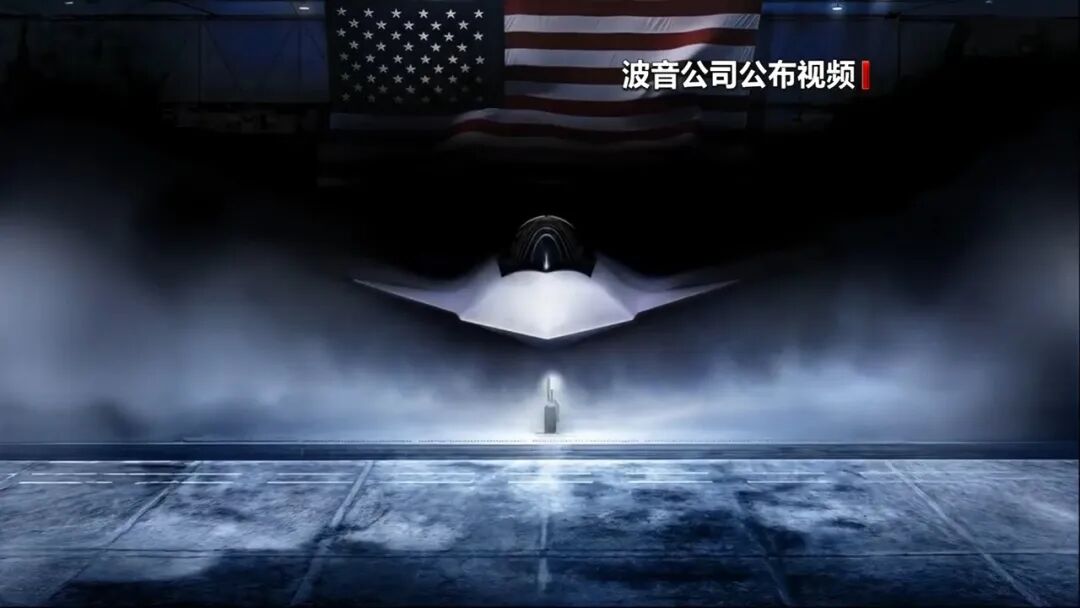
Image Source: CCTV News
Common criticisms from the online community included:
- “High school PowerPoint level” — The production quality fell short of expectations for a cutting-edge military project
- “AI rendering was decent” — The visuals appeared to rely heavily on AI-generated imagery rather than actual footage or detailed engineering models
- “PowerPoint aircraft manufacturing” — Netizens sarcastically suggested Boeing was better at presentations than actual hardware development
- “Always drawing pies, never delivering” — A reference to the Chinese idiom about making empty promises without substance
The core issue:
The animation showed zero actual flight or combat simulations of the F-47.
Instead, it appeared to be a dynamic treatment of previously released static images—essentially a fancy repackaging of existing concepts rather than progress on an actual prototype.
What About the U.S. Air Force’s Earlier Concept?
Before Boeing’s announcement, the U.S. Air Force released a promotional video titled “Dominating the Skies,” which traced the evolution of U.S. fighters from first to sixth generation.
That video featured a front-view image of a tailless, flat-bodied aircraft with a highly stealthy design—suggesting the general direction of the F-47 project.
However, the lack of concrete engineering updates or functional prototypes raises questions about the actual development status compared to China’s reported progress.

Resume Captain
Your AI Career Toolkit:
- AI Resume Optimization
- Custom Cover Letters
- LinkedIn Profile Boost
- Interview Question Prep
- Salary Negotiation Agent
The Strategic Implications
The timeline disparity is significant:
- China: Sixth-generation fighters by 2030 (multiple models in production)
- U.S.: Sixth-generation fighters by 2040 (single primary design)
- Gap: 10 years of operational advantage for China
If these timelines hold, China would have a full decade to deploy, refine, and integrate sixth-generation capabilities into their military doctrine before the U.S. achieves comparable systems.
That’s not just a technological advantage—it’s a strategic one.
Multi-year head starts in military hardware typically translate to doctrine advantages, pilot experience, and production scaling that take years for rivals to overcome.
What’s Next?
The development of sixth-generation fighters represents a fundamental shift in aerial warfare.
These aren’t just faster or stealthier versions of current jets—they’re nodes in networked combat systems designed to operate autonomously and in coordination with unmanned systems.
The race for sixth-generation fighter dominance is ultimately a race for air superiority in the next 15-20 years.
China’s projected 2030 deployment date suggests they’ve made significant progress on both hardware and integration challenges.
The U.S., meanwhile, is banking on the F-47’s capabilities to eventually secure dominance, even if it arrives later to the battlefield.
For investors and tech enthusiasts following defense innovation, this is a reminder that military-grade R&D timelines are compressing, and the competitive landscape for next-gen systems is intensifying globally.