Key Points
- China’s memory product exports **surged 174.2% year-over-year** in Q1 2024, reaching **$45.99 billion USD (¥331.13 billion RMB)**.
- The market has shifted to a “seller’s market,” with major international clients **proactively approaching Chinese memory exporters** for partnerships.
- Logistics firms report memory export orders have **doubled since the start of the year**, including **5-6 individual “mega-orders” exceeding ¥100 million RMB** handled by one company.
- This growth is driven by **cyclical demand** (AI, cloud, data centers) and **structural shifts** as Chinese manufacturers capture more global market share.
- **Memory prices have increased nearly tenfold** compared to March last year, with some categories seeing price increases exceeding 1,000%, largely driving the export value surge due to **competitive pricing of Chinese brands**.
- Export Value: $45.99 Billion USD (174.2% YoY Increase)
- Order Trends: 100% Volume Increase; multiple ‘Mega-Orders’ > $13.9M USD
- Market Dynamics: Shift to ‘Seller’s Market’ with proactive global client outreach
- Price Growth: Some categories seeing unit price increases > 1,000%

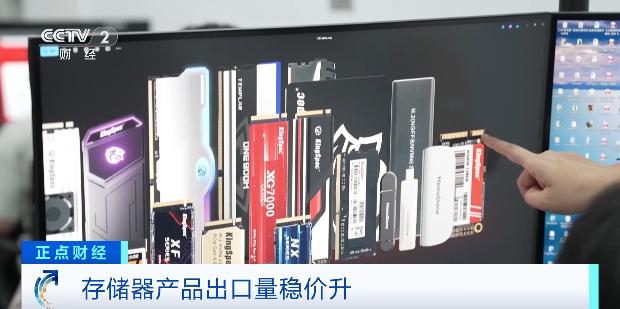
China’s memory chip sector is experiencing unprecedented growth, with memory product exports surging 174.2% year-over-year in Q1 2024.
This isn’t just incremental progress—logistics firms are now regularly handling individual shipments worth over ¥100 million RMB ($13.9 million USD).
Here’s what’s happening behind the scenes and why it matters for anyone paying attention to global semiconductor trends.
The Numbers Tell a Compelling Story
Let’s start with the headline stats.
In Q1 2024, China’s integrated circuit exports reached $72.47 billion USD (¥521.78 billion RMB), representing a 77.5% year-over-year increase.
But here’s the kicker: memory products alone accounted for $45.99 billion USD (¥331.13 billion RMB).
That’s a staggering 174.2% increase compared to the previous year.
To put this in perspective, memory exports nearly tripled their contribution to China’s overall chip export growth.

Find Top Talent on China's Leading Networks
- Post Across China's Job Sites from $299 / role
- Qualified Applicant Bundles
- One Central Candidate Hub
Your First Job Post Use Checkout Code 'Fresh20'

ExpatInvest China
Grow Your RMB in China:
- Invest Your RMB Locally
- Buy & Sell Online in CN¥
- No Lock-In Periods
- English Service & Data
- Start with Only ¥1,000

Welcome to the “Seller’s Market” Era
The dynamics of China’s memory export market have fundamentally shifted.
Log Zhisheng (龙智圣), Overseas Sales Director at a Shenzhen-based memory export company with 18 years in the space, recently shared some revealing insights about this transition.
His company ships 80% of its products to overseas markets, making them a bellwether for broader market trends.
The Power Shift is Real
Previously, accessing tier-one international agents or system integrators required jumping through hoops.
The barriers to entry were high.
Negotiations were tough.
Fast forward to today: major clients are now proactively approaching Chinese memory exporters seeking partnerships.
That’s not a small deal—it signals a complete reversal in negotiating power.
The company’s Q1 2024 export volume jumped to three times that of the same period last year, driven by both increased order volume and significantly higher order values.

Resume Captain
Your AI Career Toolkit:
- AI Resume Optimization
- Custom Cover Letters
- LinkedIn Profile Boost
- Interview Question Prep
- Salary Negotiation Agent
Logistics Firms Are Seeing “Mega-Orders” Like Never Before
Want a real-time indicator of export surge intensity?
Follow the money flowing through logistics providers.
According to representatives from major shipping companies, memory export orders have doubled since the start of the year.
More notably, there’s been a sharp uptick in what logistics firms are calling “mega-orders”—single shipments valued at over ¥100 million RMB ($13.9 million USD).
Real Data from the Field
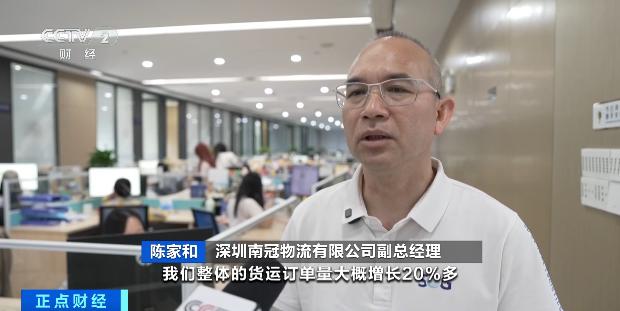
Chen Jiahe (陈家和), Deputy General Manager of Shenzhen Nanguan Logistics Co., Ltd. (Shenzhen Shi Nanguan Wuliu Youxian Gongsi 深圳市南冠物流有限公司), provided concrete figures:
- Total freight order volume has grown over 20% since January
- Memory export orders specifically have increased by 100%
- The company has already handled five to six individual shipments each exceeding ¥100 million RMB ($13.9 million USD)
For a logistics firm to handle that many eight-figure shipments in just a few months is extraordinary.
It’s a tangible reflection of the export explosion happening in real-time.
Why Is This Happening? Cyclical vs. Structural Factors
The growth isn’t random—it’s driven by two distinct forces working in tandem.
Cyclical Tailwinds
Global memory supply remains tight while demand is robust.
AI infrastructure buildouts, cloud expansion, and data center upgrades worldwide are all driving demand for memory chips.
When supply is constrained and demand is high, prices rise and export volumes accelerate.
That’s the cyclical component playing out exactly as you’d expect.
Structural Shifts (The Bigger Story)
The real transformation is structural.
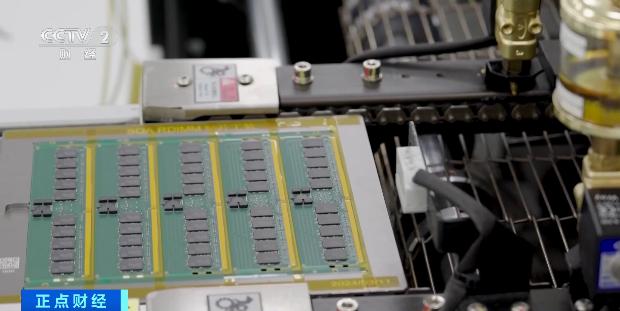
China’s domestic storage and memory industry chain has undergone significant upgrades.
Chinese manufacturers are now capturing more global market share, which means sustained export growth beyond just the current cycle.
This represents a longer-term recalibration of the global memory supply landscape.
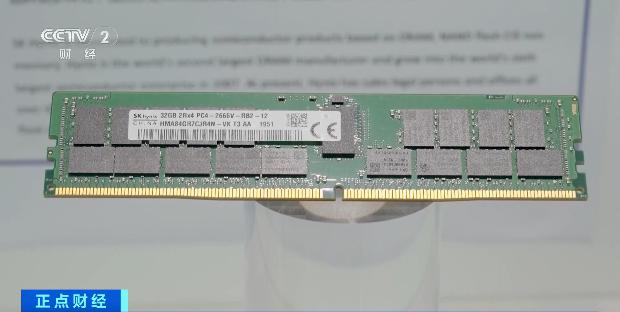
Pricing Power: The Real Driver of Export Value
Here’s what many people miss when looking at these growth figures: volume is increasing, but prices are skyrocketing even faster.
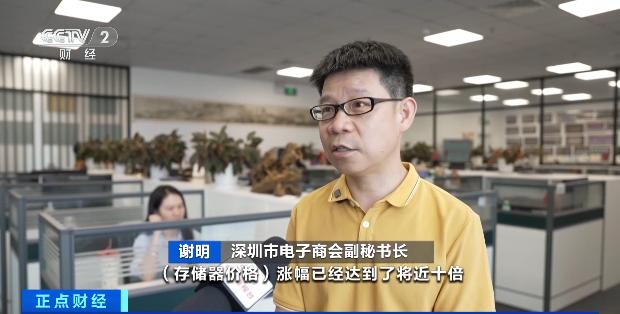
Xie Ming (谢明), Deputy Secretary-General of the Shenzhen Electronic Chamber of Commerce (Shenzhen Shi Dianzi Shanghui 深圳市电子商会), offered eye-opening perspective on pricing dynamics:
Memory prices have increased nearly tenfold compared to March of last year.
Some product categories have seen price increases exceeding 1,000%.
This price surge is the primary driver behind the increase in total export value.
The Competitive Advantage
Here’s the strategic advantage for Chinese manufacturers: domestic Chinese brands maintain a significant price gap compared to overseas competitors.
Chinese memory exports are highly competitive in the global market while overseas brands command premium pricing.
That pricing advantage is attracting price-conscious buyers globally, especially in emerging markets and among cost-sensitive industries.
It’s a classic positioning move that’s paying dividends on a massive scale.
What This Means for the Broader Tech Ecosystem
This isn’t just a story about memory chips—it’s about the reconfiguration of global semiconductor supply chains.
A few implications worth tracking:
- Market consolidation is accelerating as Chinese manufacturers gain share
- Pricing pressure on traditional semiconductor incumbents will likely intensify
- Supply chain resilience is improving as alternatives to single-source suppliers emerge
- Logistics infrastructure must scale rapidly to handle the volume surge (evidenced by the mega-orders)
For investors and founders in the semiconductor space, this data signals both opportunity and disruption.
The memory sector export boom reflects deeper structural changes in how the world sources and prices critical computing components.
The Bottom Line on Memory Product Exports
China’s memory chip exports aren’t just growing—they’re reshaping the global market.
With ¥331.13 billion RMB ($45.99 billion USD) in Q1 exports alone, and logistics firms regularly handling ¥100 million RMB ($13.9 million USD)+ shipments, the scale of this shift is undeniable.
It’s a combination of favorable cyclical conditions and real structural improvements in China’s semiconductor manufacturing capabilities.
If you’re watching global tech supply chains, Chinese memory chip exports deserve to be on your radar.