Key Points
- China’s government, via seven departments, launched a new policy to promote industrial tourism, transforming factories and industrial heritage into tourist destinations to unlock billions in economic activity.
- The initiative pushes for “Factory Tours” allowing access to active production environments across various sectors like aerospace and automotive, aiming to create “sightseeing factories.”
- A major focus is on “Industrial Smart Tourism,” leveraging technologies like BeiDou, AI, VR, and autonomous driving to create immersive and interactive experiences.
- The strategy aims to build “Industrial Tourism +” consumption environments, integrating themed commercial areas and immersive retail experiences within or adjacent to factories to boost domestic brand confidence and real-time purchases.
- Industrial tourism is becoming a strategic economic sector in China, with some projects exceeding ¥100 million RMB ($13.8 million USD) in valuation, signaling growth opportunities for tech, hospitality, and brand elevation.
- Turn factories and industrial sites into legitimate tourist destinations.
- Monetize industrial assets that were previously restricted.
- Boost domestic brand confidence through production transparency.
- Integrate advanced tech (AI, VR, 5G) into the visitor experience.

China just made a major move to transform how people experience manufacturing.
Seven government departments—including the Ministry of Culture and Tourism (Wenhua he Lvyou Bu 文化和旅游部), the Central Propaganda Department (Zhongyang Xuanchuan Bu 中央宣传部), and the Ministry of Industry and Information Technology (Gongye he Xinxi Hua Bu 工业和信息化部)—jointly released the “Notice on Promoting Industrial Culture, Protecting Industrial Heritage, and Developing Industrial Tourism.”
This isn’t just bureaucratic paperwork.
It’s a coordinated effort to unlock billions in economic activity by turning factories, warehouses, and production facilities into legitimate tourist destinations.

Find Top Talent on China's Leading Networks
- Post Across China's Job Sites from $299 / role
- Qualified Applicant Bundles
- One Central Candidate Hub
Your First Job Post Use Checkout Code 'Fresh20'
What’s Actually Changing: Eight Priority Areas
The notice outlines eight key priority tasks that break down into four main buckets:
- Improving the protection of industrial heritage
- Excavating and interpreting the value of industrial culture
- Enriching the supply of industrial tourism products
- Enhancing the quality of industrial tourism services
Each area targets a specific gap in China’s current tourism landscape.
The real opportunity?
Creating new revenue streams by monetizing assets that were previously off-limits to the public.

ExpatInvest China
Grow Your RMB in China:
- Invest Your RMB Locally
- Buy & Sell Online in CN¥
- No Lock-In Periods
- English Service & Data
- Start with Only ¥1,000

The Rise of “Factory Tours” and Industrial Heritage Tourism
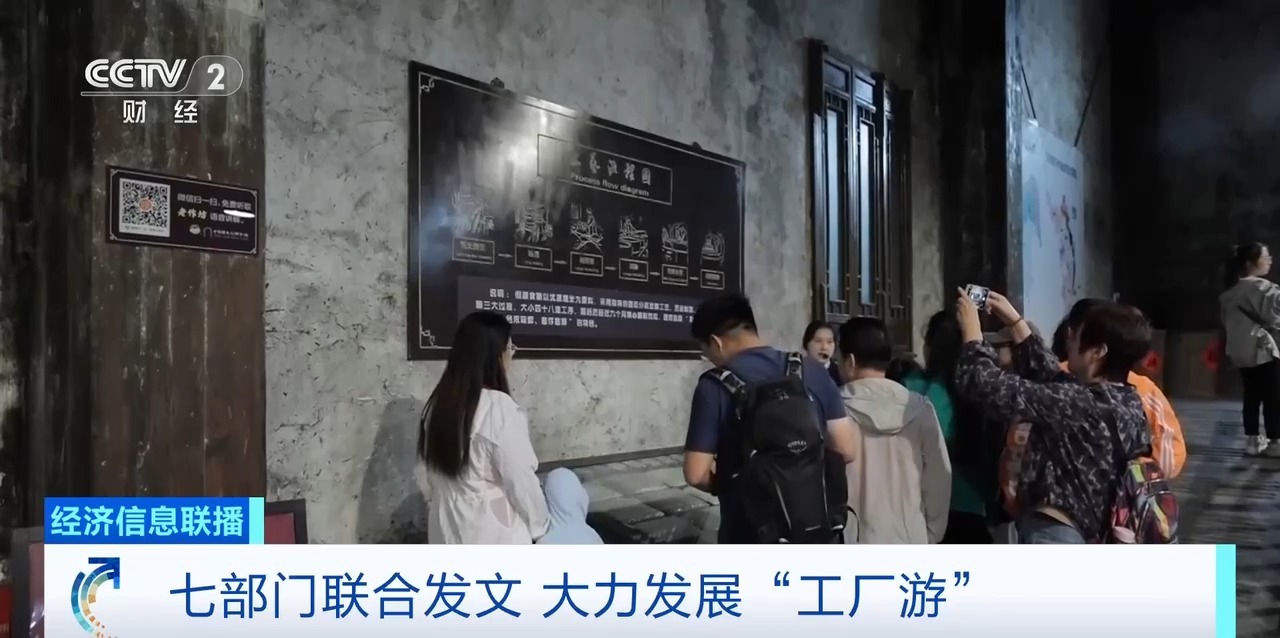
The most concrete initiative in the notice is the push for “Factory Tours” (also called industrial heritage tours).
Here’s the core idea:
Instead of just visiting museums about manufacturing history, tourists get direct access to active production environments.
This isn’t limited to small-scale operations either.
The notice specifically calls out major industrial sectors to participate:
- Aerospace companies
- Shipbuilding facilities
- Automobile manufacturers
- Robotics producers
- Food processing operations
- E-commerce logistics networks

Resume Captain
Your AI Career Toolkit:
- AI Resume Optimization
- Custom Cover Letters
- LinkedIn Profile Boost
- Interview Question Prep
- Salary Negotiation Agent
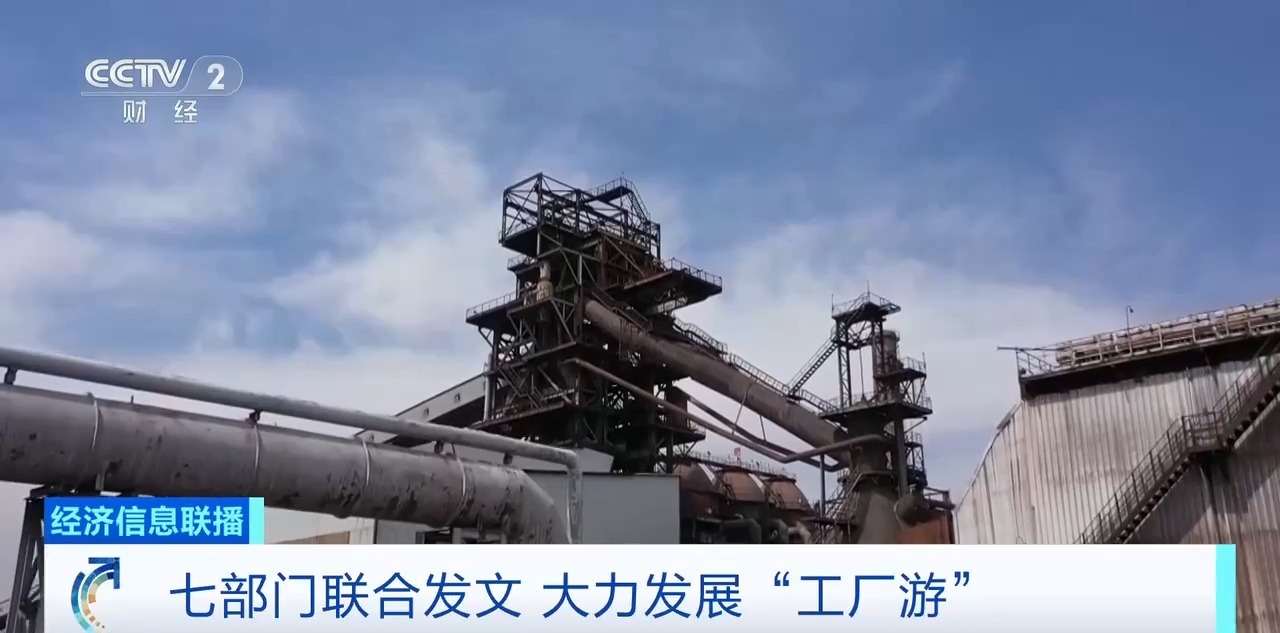
Under strict safety and confidentiality requirements, these enterprises can now offer:
- Production process observation tours where visitors watch real manufacturing
- Simulated operations allowing tourists to interact with machinery (safely)
- Handmade workshops for hands-on learning experiences
- Product customization opportunities that double as sales channels
The goal is creating what the government calls “sightseeing factories”—facilities that function both as production centers and tourist attractions.
Think of it like a theme park, but instead of roller coasters, visitors see how goods actually get made.
Smart Technology Is About to Revolutionize Industrial Tourism
Here’s where it gets interesting for tech investors and founders.
The notice calls for rapid expansion of “Industrial Smart Tourism”—a tech-enabled version of factory visits that uses cutting-edge digital tools to create immersive experiences.
The approved technologies include:
- BeiDou (Beidou 北斗) navigation systems for location-based experiences
- Artificial Intelligence for personalized tour guidance and recommendations
- Ultra-high-definition video for remote viewing and documentation
- Virtual Reality (VR) for immersive simulations of industrial processes
- Autonomous driving technology for guided factory tours
This signals a major investment window for companies building VR/AR tourism platforms, AI tour guide systems, and autonomous vehicle experiences tailored to industrial settings.
The Chinese government is essentially saying:
“We want to blend Heritage preservation with next-gen technology.”
The Full Industrial Tourism Value Chain Is Now Open
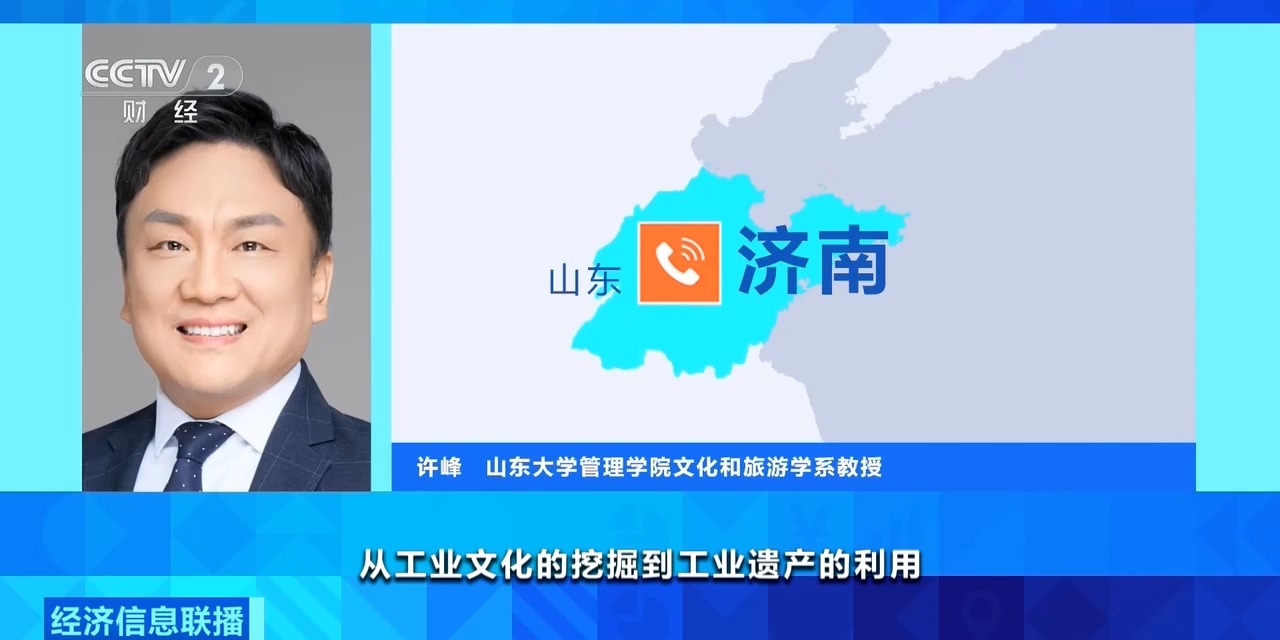
Xu Feng (Xu Feng 许峰), a professor in the Department of Culture and Tourism at the Shandong University (Shandong Daxue 山东大学) School of Management, broke down what’s actually happening here:
“From the excavation of industrial culture to the utilization of industrial heritage, and finally to the comprehensive layout of industrial tourism, this policy clears the path. It covers heritage tours, factory tours, smart tours, and educational study tours, effectively opening up the entire industrial tourism value chain.”
Translation:
The government isn’t just encouraging one type of experience—they’re creating an entire ecosystem with multiple revenue models:
- Heritage Tours (nostalgia-focused)
- Factory Tours (production-focused)
- Smart Tours (tech-enabled)
- Educational Study Tours (learning-focused)
Each appeals to different demographics and creates different revenue opportunities.
Building Consumption Around Production: The “Industrial Tourism +” Strategy
This is the genius part that most people miss.
The notice doesn’t just encourage tours—it mandates that industrial tourism sites develop diversified consumption scenarios.
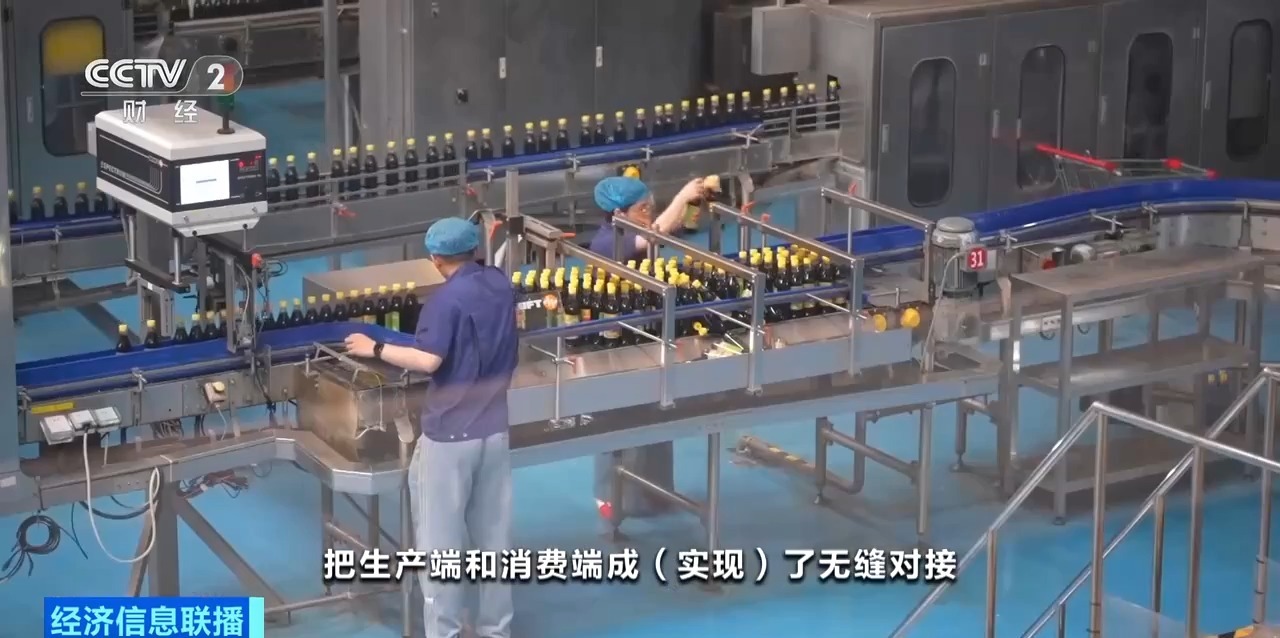
What does that mean in practice?
It means themed commercial areas, immersive retail experiences, and specialty markets built into or adjacent to factories.
This creates what they call “Industrial Tourism +” consumption environments.
Picture this scenario:
- Tourists visit a food processing factory and see how products are made
- They move into an adjacent retail space (themed around the production process)
- They buy products while the brand story is still fresh in their minds
- Conversion happens in real-time
According to Professor Xu Feng:
“The boost to consumption is very significant. When consumers visit industrial tourism sites and witness the production processes and high standards firsthand, it builds confidence in domestic brands (‘Guohuo’). This often leads to immediate purchases, creating a seamless connection between the production side and the consumption side.”
This is essentially experiential commerce at scale.
It’s turning factory transparency into a competitive advantage and a direct sales channel.
What This Means for the Economy
Industrial tourism isn’t a niche market in China anymore—it’s becoming a strategic economic sector.
Currently, the industrial tourism sector is seeing significant investment activity, with some projects reaching valuations exceeding ¥100 million RMB ($13.8 million USD).
This growth is expected to accelerate as:
- More factories open their doors to tourists
- Tech companies build smart tourism platforms
- Hospitality brands create experiences around industrial sites
- Domestic tourism recovers and shifts toward experiential travel
The Chinese government is modernizing its service sector while simultaneously preserving manufacturing heritage and boosting domestic brand confidence.
That’s three strategic objectives aligned in one policy.
The Bottom Line: Industrial Tourism Is the Next Frontier
China’s new industrial tourism strategy is a playbook for turning manufacturing infrastructure into consumer experiences.
For investors, founders, and marketers, this signals several opportunities:
- Tech infrastructure plays (VR platforms, AI guides, autonomous vehicles)
- Hospitality and experience design companies
- Domestic brand elevation through transparent production
- Heritage preservation tech and platforms
The industrial tourism space is moving from novelty to necessity.
And China just made it official.

References
- Seven departments issued a document: vigorously develop “factory tours” and create immersive industrial tourism – CCTV Finance (Zhongyang Guangbo Dianshi Tai Caijing Pindao 央视财经)
- Official Website of the Ministry of Culture and Tourism of the People’s Republic of China – Ministry of Culture and Tourism (Wenhua he Lvyou Bu 文化和旅游部)
- Industrial Culture Development Trends and Policies – Ministry of Industry and Information Technology (Gongye he Xinxi Hua Bu 工业和信息化部)
![China Signals US Talks Openness, Berkshire's Big Shift & Key Global Market Moves [FreshFromChina]](https://freshfromchina.com/wp-content/uploads/2025/05/China_Signals_US_Talks_Openness__Berkshire_s_Big_Shift___Key_Global_Market_Moves____FreshFromChina-150x150.png)