Key Points
- China has suspended review processes for rare earth export licenses to Japan, including those for civilian use, a significant shift in export posture.
- Multiple Chinese state-owned enterprises (Guoyou Qiye 国有企业) have informed Japanese firms they will not accept new rare earth supply contracts.
- Foreign Ministry spokesperson Mao Ning (Mao Ning 毛宁) stated China’s actions are “entirely justified, reasonable, and legal” but offered no specific details.
- Rare earth elements are crucial for electronics, EVs, renewable energy, and defense, and China controls a massive share of global production, making these restrictions impactful across industries globally.
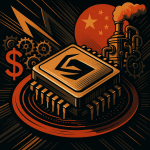
- This move signals China’s use of its rare earth dominance as a geopolitical and economic tool, emphasizing the necessity for global supply chain diversification.

On January 12, 2026, China’s Foreign Ministry made headlines when addressing reports about rare earth export restrictions to Japan.
The situation has caught the attention of investors, tech founders, and supply chain analysts worldwide.
Here’s what happened, why it matters, and what comes next.
The Core Issue: Rare Earth Export Permits Suspended
According to reports covered during a Foreign Ministry press conference, China has suspended the review process for rare earth export licenses destined for Japan.
This isn’t just about one company or sector.
The freeze affects multiple export permits, even those explicitly marked for civilian use.
Here’s what’s happening on the ground:
- Export license reviews for rare earths to Japan have been paused
- Multiple Chinese state-owned enterprises (Guoyou Qiye 国有企业) have notified Japanese firms they won’t be taking on new rare earth supply contracts
- The freeze appears to cover civilian applications, not just dual-use materials
- This represents a significant shift in China’s export posture toward its neighbor
On January 12, 2026, Foreign Ministry spokesperson Mao Ning (Mao Ning 毛宁) held a regular press conference to address the situation.
A reporter from the Japanese newspaper Asahi Shimbun (Asahi Xinwen 朝日新闻) directly asked whether these actions contradicted earlier assurances.

Find Top Talent on China's Leading Networks
- Post Across China's Job Sites from $299 / role
- Qualified Applicant Bundles
- One Central Candidate Hub
Your First Job Post Use Checkout Code 'Fresh20'

Understanding Rare Earths: Why This Matters
Rare earth elements aren’t actually rare—but they’re incredibly valuable.
These 17 chemical elements power:
- Smartphones and electronics
- Electric vehicle motors
- Wind turbines and renewable energy systems
- Military and defense applications
- High-tech manufacturing equipment
China controls a massive share of global rare earth production and processing.
Japan, as a tech-manufacturing powerhouse, depends heavily on these materials.
When China restricts exports, it sends shockwaves through global supply chains.

ExpatInvest China
Grow Your RMB in China:
- Invest Your RMB Locally
- Buy & Sell Online in CN¥
- No Lock-In Periods
- English Service & Data
- Start with Only ¥1,000
The Dual-Use Controversy: Civilian vs. Strategic Materials
Here’s where it gets interesting (and complicated).
China’s Ministry of Commerce (Shangwubu 商务部) had previously announced strengthened export controls on dual-use items.
The official messaging was clear:
Civilian exports would remain unaffected and continue as normal.
But the current situation tells a different story.
Civilian rare earth export licenses are being suspended alongside strategic materials.
This raises questions about:
- How China classifies “civilian use” materials
- Whether the distinction between civilian and dual-use is being maintained
- What triggered the shift in policy
- How long the restrictions will remain in place

Resume Captain
Your AI Career Toolkit:
- AI Resume Optimization
- Custom Cover Letters
- LinkedIn Profile Boost
- Interview Question Prep
- Salary Negotiation Agent
China’s Official Response: “Justified, Reasonable, and Legal”
When pressed for details, Mao Ning (Mao Ning 毛宁) didn’t provide specifics.
Instead, the Foreign Ministry offered a carefully worded statement:
“Regarding the specific details, I suggest you consult with the relevant competent departments in China. What I can say is that China has taken relevant measures in accordance with its laws and regulations, and these actions are entirely justified, reasonable, and legal.”
Translation: Don’t ask us for details, but trust us—it’s all above board.
The response was diplomatically vague, which is telling in itself.
By invoking legal justification, China is signaling that:
- These aren’t arbitrary decisions made in response to headlines
- There’s a legal framework supporting the restrictions
- The government views this as a legitimate policy tool
- Further explanation would come from trade authorities, not diplomats
Why Now? The Geopolitical Context
China doesn’t restrict rare earth exports on a whim.
These moves are typically tied to:
- Geopolitical tensions between Beijing and Tokyo
- Trade disputes or retaliatory measures
- National security concerns about where materials end up
- Leverage in ongoing negotiations
- Domestic supply priorities and competing demands
Japan and China have a complicated relationship.
Historical tensions, territorial disputes, and competing regional interests create an unpredictable environment for trade.
Rare earth restrictions are one of China’s most effective economic tools—precisely because the rest of the world depends on them so heavily.
Impact on Global Supply Chains and Tech Companies
If this trend continues, expect ripple effects across multiple industries:
- Japanese electronics manufacturers will face sourcing challenges
- Global EV makers relying on Japanese components will be affected
- Tech companies worldwide may experience component shortages
- Renewable energy projects dependent on rare earth magnets could be delayed
- Supply chain costs will likely increase as companies seek alternatives
Companies that depend on rare earth supply chains should be paying close attention.
This isn’t just a Japan problem—it’s a global one.
What Happens Next?
- Short-term restriction: China uses this as leverage in negotiations, then lifts restrictions once demands are met
- Extended pause: The freeze lasts months or longer, forcing Japan to find alternative suppliers
- Global Diversification: Other countries (USA, Australia, Vietnam) accelerate mining and processing to reduce dependence on China
- Diplomatic Resolution: High-level bilateral talks resolve the underlying trade or security triggers
Several scenarios could unfold:
- Short-term restriction: China uses this as leverage in negotiations, then lifts restrictions once demands are met
- Extended pause: The freeze lasts months or longer, forcing Japan to find alternative suppliers
- Diversification: Other countries accelerate rare earth mining and processing to reduce dependence on China
- Negotiations: Diplomatic channels work to resolve underlying tensions
Investors and founders should monitor:
- Official statements from China’s Ministry of Commerce
- Japan’s response and any retaliatory measures
- Alternative rare earth suppliers ramping up production
- Tech companies announcing supply chain adjustments
- Stock movements in companies dependent on these materials
The Bottom Line on China’s Rare Earth Export Restrictions
China has suspended rare earth export licenses to Japan, including those for civilian applications.
The Foreign Ministry confirmed the action is “justified, reasonable, and legal” but provided no further details.
This move demonstrates China’s willingness to use its dominance in rare earth production as a geopolitical and economic tool.
For investors, founders, and supply chain managers, the lesson is clear: diversification of rare earth sourcing isn’t optional anymore—it’s essential.
Keep watching this space as the situation develops around China’s rare earth export restrictions to Japan.
References
- China Limits Civilian Rare Earth Exports to Japan? Foreign Ministry: Measures are Justified, Reasonable, and Legal – The Paper (Pengpai Xinwen 澎湃新闻)
- Official Website of the Ministry of Foreign Affairs of the People’s Republic of China
- Japan-China Trade and Resource Relations – The Asahi Shimbun (Asahi Xinwen 朝日新闻)