
Key Points
- Hunan Province authorities dismantled a multi-province illegal rare earth mining operation (“7.19” case) spanning Hunan, Jiangxi, and Guangdong, which illegally extracted over 50 tons of rare earth minerals.
- The criminal network used the environmentally destructive “in-situ leaching” method and employed a sophisticated structure including lookouts with walkie-talkies, specialized technicians, and buyers for the stolen minerals.
- The total illicit gains exceeded ¥1 million RMB ($140,000 USD), with ecological damage estimated at over ¥2.2 million RMB ($308,000 USD).
- All 12 suspects were apprehended, including a significant arrest of a buyer during the Ghost Festival (Zhong yuan jie 中元节) leading to the seizure of 1.8 tons of rare earth minerals from his vehicle.
- This case highlights China’s serious approach to rare earth security, prosecuting the entire supply chain under laws that can result in up to seven years imprisonment for illegal mining and covering up criminal proceeds.
- Illegal Extraction: Over 50 tons of rare earth minerals
- Total Illicit Gains: >¥1 million RMB ($140,000 USD)
- Ecological Damage: >¥2.2 million RMB ($308,000 USD)
- Suspects Apprehended: 12 individuals across the supply chain
- Recent Seizure: 1.8 tons during Ghost Festival arrest
Here’s a case that reads like a crime thriller—except it’s 100% real and involves some of the world’s most valuable minerals.
In what’s being called the “7.19” case, authorities in Hunan Province (Hu nan 湖南) just cracked down on a massive illegal rare earth (Xi tu 稀土) mining operation that spanned three provinces and netted over 50 tons of stolen minerals.
The Rucheng County People’s Court in Chenzhou City recently held a public trial where nine defendants confessed to their crimes. What emerged was a sophisticated criminal network that operated across Hunan (Hu nan 湖南), Jiangxi (Jiang xi 江西), and Guangdong (Guang dong 广东)—complete with lookout posts, walkie-talkies, and a supply chain for moving stolen goods.
Let’s break down how this happened, what it reveals about China’s rare earth security challenges, and why it matters to anyone tracking the tech supply chain.
The Discovery: An Illegal Mining Site Hidden in Plain Sight
It started with a citizen’s tip.
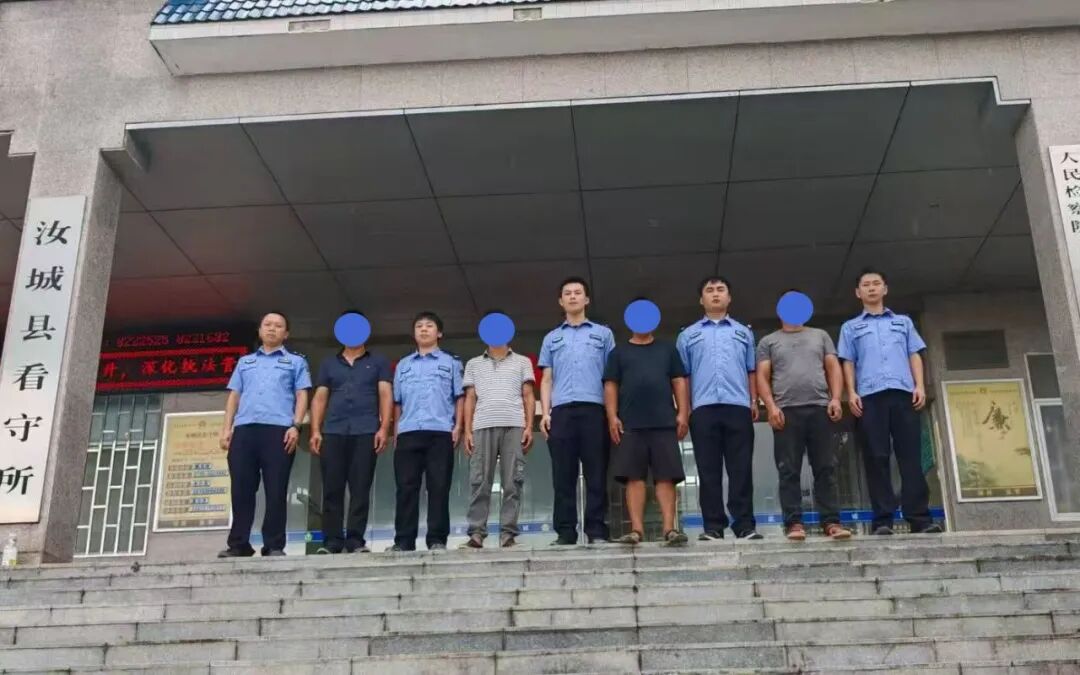
In July 2025, someone reported suspicious activity at a mountain site in Daping Town (Da ping zhen 大坪镇). The Rucheng County Forest Public Security Bureau and the Natural Resources Bureau showed up to investigate—and what they found was alarming.
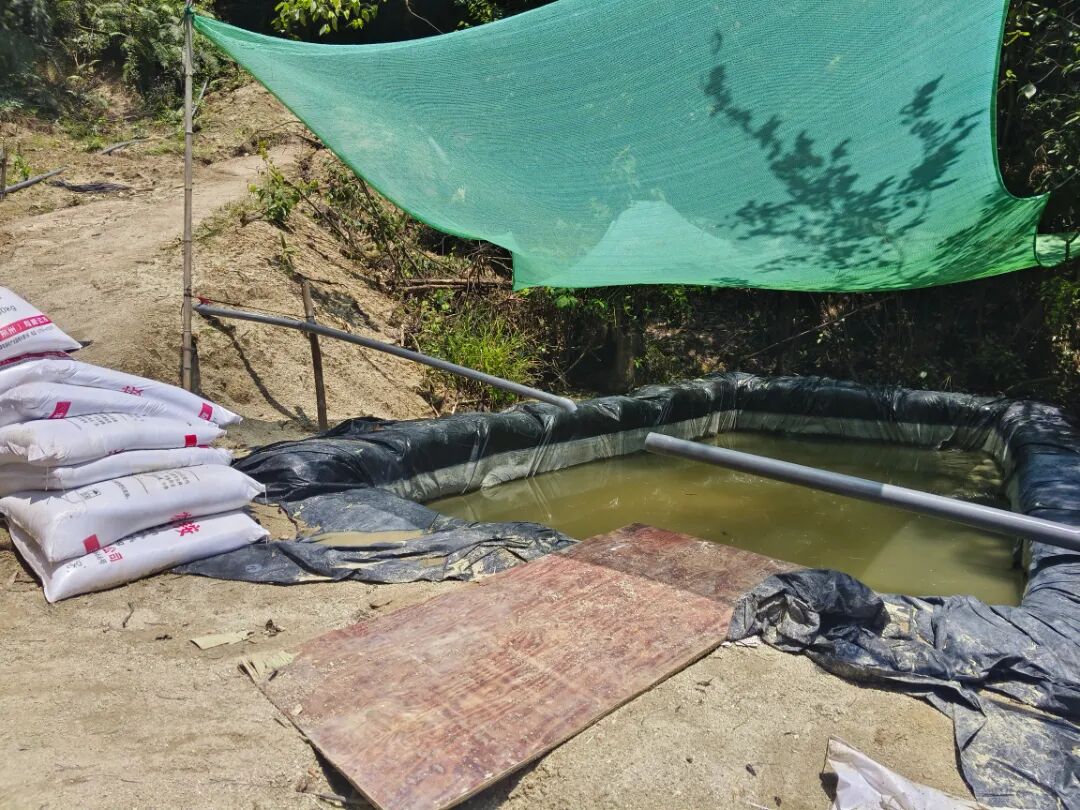
The entire mountainside showed signs of severe environmental destruction:
- Vegetation stripped from the slopes
- Exposed soil covered with anti-seepage plastic (Su liao 塑料) membranes
- Slopes crisscrossed with gullies and injection holes
- Plastic hoses directing “mother liquor” from hilltop holes into settling ponds
Investigators quickly identified this as an illegal rare earth mining operation using the “in-situ leaching” method—a technique where chemical solutions are injected underground to dissolve and extract rare earth elements without traditional mining infrastructure.

Find Top Talent on China's Leading Networks
- Post Across China's Job Sites from $299 / role
- Qualified Applicant Bundles
- One Central Candidate Hub
Your First Job Post Use Checkout Code 'Fresh20'
The problem: This method is extremely environmentally destructive.
It leaves behind contaminated soil and groundwater, making it a nightmare for ecological restoration.
Building the Case: A Multi-Province Task Force Takes Action
The Rucheng County Public Security Bureau didn’t mess around.
They established a specialized task force pulling resources from criminal investigation, cyber security, and natural resources departments. The challenge was real—dense forests and high mountains made the terrain difficult to navigate and the suspects hard to track.
But the team moved fast.
Within days, they identified the primary suspects:
- Li Moucai (黎某财)
- Ning Mouqing (宁某清)
- Ning Mouping (宁某平)
- Ning Mouming (宁某明)
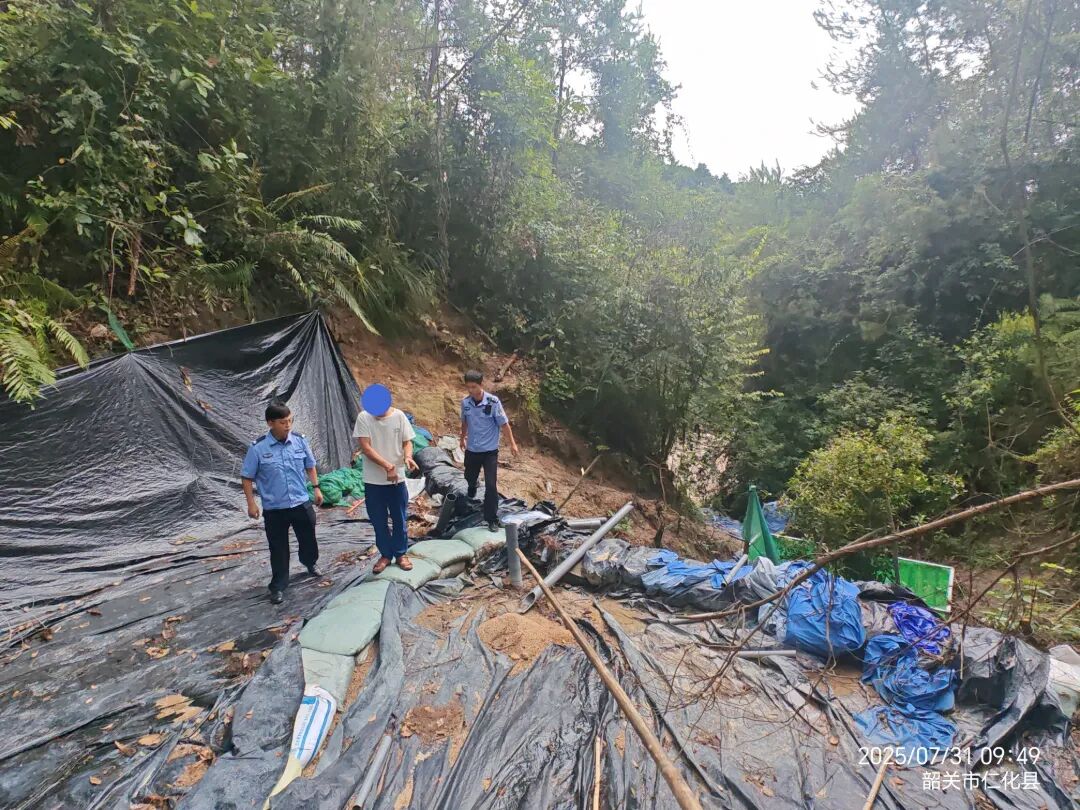
Within 24 hours of identifying these individuals, working with police in Renhua County (Ren hua xian 仁化县), Guangdong, the task force captured all four.

ExpatInvest China
Grow Your RMB in China:
- Invest Your RMB Locally
- Buy & Sell Online in CN¥
- No Lock-In Periods
- English Service & Data
- Start with Only ¥1,000
How the Criminal Network Actually Operated
Here’s where it gets interesting.
The investigation revealed a sophisticated supply chain that looked less like backyard mining and more like an organized criminal enterprise.
Timeline of operations: Between June 2024 and July 2025, the four primary suspects conspired to mine rare earths at the borders of Hunan and Guangdong.
The structure:
- The primary suspects operated the mining site without any legal licenses
- They hired specialized technicians and transport personnel from Dingnan (Ding nan 定南), Jiangxi, including Ren Mouzhu (任某柱), Zhang Mouhua (张某华), Wei Mouqiao (魏某桥), and Xie Moujin (谢某金)
- They set up observation posts at mountain entrances with walkie-talkie communication systems to warn of approaching authorities
- They connected with buyers—Zhong Mouping (钟某平), Ouyang Mouping (欧阳某平), and Zhang Mou (张某)—who knowingly purchased stolen minerals
The operation generated over ¥1 million RMB ($140,000 USD) in illicit gains.
What’s particularly notable: These weren’t amateurs.
The gang demonstrated high levels of counter-reconnaissance awareness.
They were actively trying to evade detection—with lookout systems and communication protocols that suggested they knew law enforcement was a real threat.
Following the initial arrests, the investigation expanded rapidly.
In a single coordinated operation, officers traveled across four provinces—Guangdong, Jiangxi, and Fujian—to capture the remaining specialized workers and buyers.
The Ghost Festival Stake-Out: How Investigators Used Cultural Timing
By September 2025, the investigation had captured most suspects—but one remained elusive.
Enter Ouyang Mouping (欧阳某平), one of the mineral buyers.
The investigators made an intelligent tactical decision.
They knew that during the Ghost Festival (Zhong yuan jie 中元节)—a traditional Chinese holiday when people return home to be with family—Ouyang would likely head back to his residence in Dingnan, Jiangxi.
Officers staked out his residence for three days and nights.
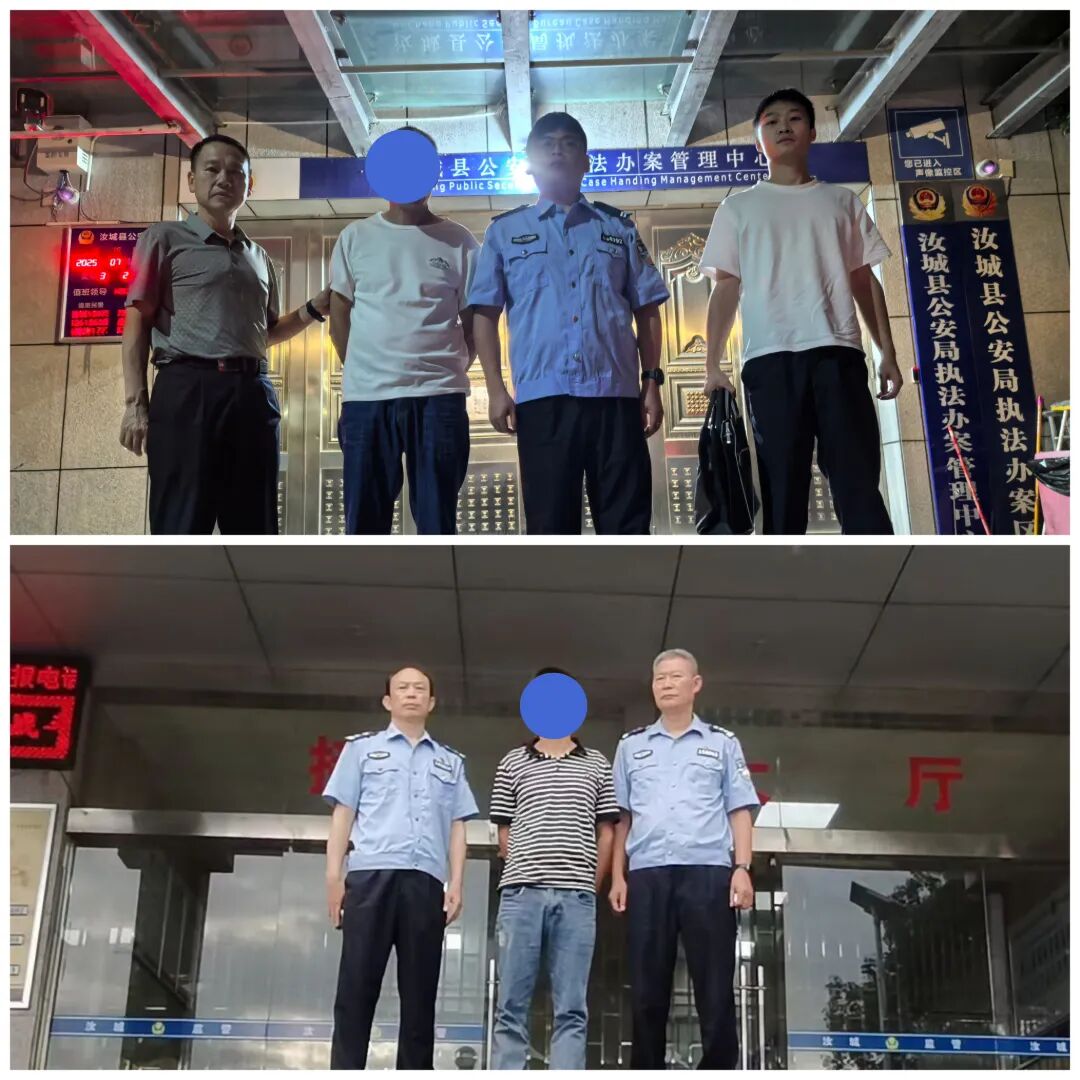
When Ouyang returned on the day of the festival, he was arrested on the spot.
Police seized 1.8 tons of rare earth minerals from his vehicle.

Resume Captain
Your AI Career Toolkit:
- AI Resume Optimization
- Custom Cover Letters
- LinkedIn Profile Boost
- Interview Question Prep
- Salary Negotiation Agent
This move showcased smart investigative work—understanding suspect behavior patterns and using cultural knowledge to predict movements.
The Final Tally: What Authorities Recovered
By the end of the operation, all 12 suspects were apprehended.
Here’s what the numbers look like:
- 5.27 tons of raw rare earth ore seized
- 1.8 tons of rare earth concentrate seized
- Over 50 tons of rare earth minerals mined in total
- 45 tons sold into the black market
- Total case value: approximately ¥1.6 million RMB ($224,000 USD)
- Ecological damage valued at: over ¥2.2 million RMB ($308,000 USD)
- Direct economic losses recovered by the state: exceeding ¥2 million RMB ($280,000 USD)
Nine defendants pleaded guilty in court.
Three were granted a conditional non-prosecution decision.
The case successfully dismantled the entire chain—from illegal mining through transportation, acquisition, and sales.
Through public interest litigation, the court is holding violators accountable for ecological restoration efforts currently underway.
Understanding the Legal Framework
This wasn’t just a civil matter—serious criminal charges were involved.
Here’s the legal architecture that applies to rare earth crimes in China:
Crime of Illegal Mining
Under Article 343 of the Criminal Law of the People’s Republic of China, mining without a license or entering protected areas can result in up to seven years in prison plus fines for “especially serious” cases.
This is the primary charge in illegal rare earth operations.
Crime of Covering Up Criminal Proceeds
Under Article 312, purchasing or selling items known to be criminal proceeds can result in up to seven years of imprisonment.
This is why the mineral buyers—despite not being the ones doing the actual mining—faced serious criminal liability.
Joint Crime Liability
Article 25 dictates that those providing technical support or acting as lookouts for illegal mining share full criminal responsibility.
This means the technicians and observation post operators face the same potential sentences as the primary operators.
In essence, everyone in the supply chain is criminally liable.
Why This Matters: Rare Earth Security and Supply Chain Implications
On the surface, this is a story about catching criminals.
But there’s a bigger picture worth understanding.
Rare earth elements are critical to global technology.
They’re essential components in:
- Smartphones and consumer electronics
- Electric vehicle motors
- Wind turbines and renewable energy systems
- Military and defense applications
- Advanced manufacturing equipment
China controls a massive portion of global rare earth production and refining capacity.
Illegal mining operations like this one represent a significant vulnerability in the legitimate supply chain.
When 50+ tons of rare earths enter black markets, it distorts pricing, undermines legal producers, and creates security risks for downstream manufacturers who may unknowingly source materials with unclear provenance.
The environmental damage is also staggering.
In-situ leaching contaminates groundwater and soil over large areas.
The ¥2.2 million RMB ($308,000 USD) in ecological damage cited here likely understates the true environmental cost, which can take years to fully remediate.
This case signals that Chinese authorities are taking rare earth security more seriously—cracking down on illegal operations, prosecuting entire supply chains, and holding companies accountable for knowingly purchasing stolen materials.
For investors and tech companies tracking supply chain risk, this is a positive signal about enforcement capacity.
But it’s also a reminder that illegal mining remains a persistent problem in this sector.
Understanding supply chain provenance and due diligence on material sourcing isn’t just an ethical concern—it’s a compliance and risk management imperative.





![Magnetic Levitation Compressors: Skyrocketing Demand & Hot Stocks in the AI Era [FreshFromChina]](https://freshfromchina.com/wp-content/uploads/2025/05/magnetic_levitation_compressors_skyrocketing_demand_hot_stocks_ai_era.png____FreshFromChina-150x150.png)